Delivery of low-risk glaucoma care in the community
31st March, 2026
Read moreContinuing our long-standing partnership with Sight Research UK, Newmedica announce the funding of a research project into a potential next-generation treatment for diabetic retinopathy.
2nd April, 2026
Diabetic retinopathy is a complication of diabetes. It affects blood vessels in the back of the eye, causing leaks, scars and abnormal growth, which can all result in sight loss. By 2030, it’s estimated that around 191 million people will be affected by diabetic retinopathy.
An existing treatment for this eye condition, called anti-VEGF, can help manage the symptoms, but it doesn’t work for 5-10% of patients, leaving them at risk of blindness.
One particular protein (RUNX1) appears to be unusually active in the blood vessels of people with diabetic retinopathy. RUNX1’s activity increases in response to anti-VEGF injections, suggesting that it may play a role in the body’s resistance to treatment.
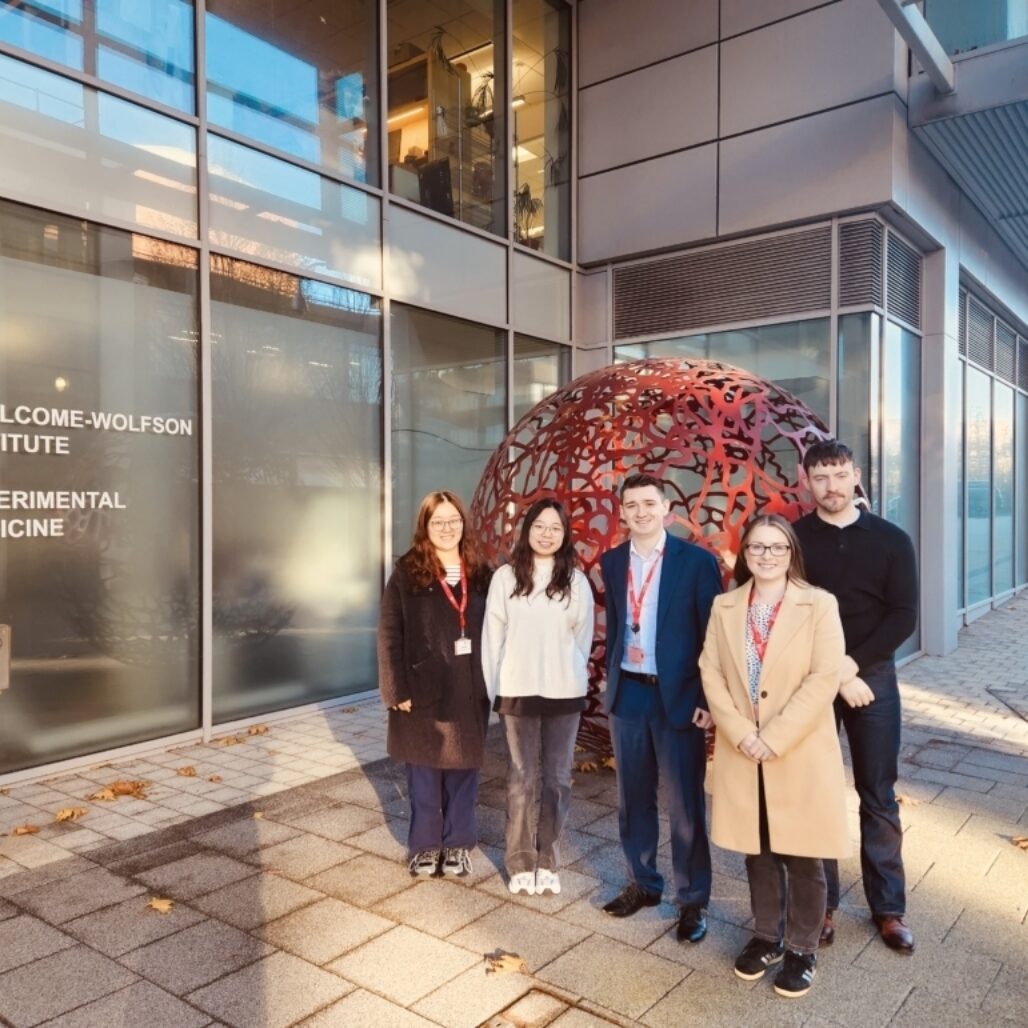
Dr. Michael O’Hare and the team at Queen’s University Belfast are applying a proven coronavirus-busting solution in the hopes of treating diabetic retinopathy called messenger genes (or mRNA). They are targeting the root causes of the disease by finding out whether mRNA could temporarily block the RUNX1 protein activity in the eye.
O’Hare’s team will also compare two different delivery methods to find the safest and most efficient approach to reach cells in the back of the eye. If the team get the results they’re hoping for, this project could lead to the development of a next-generation treatment for people experiencing diabetic retinopathy and deliver a vital alternative to patients who have not responded well to anti-VEGF injections.
Our aim is to develop mRNA-encoded therapeutics for patients who do not respond to existing treatments for diabetic retinopathy. We are extremely grateful for the support and funding from Newmedica and Sight Research UK, which is essential in helping us to develop next-generation mRNA-encoded therapeutics and novel delivery systems that have potential as treatments not only for diabetic retinopathy, but for other ocular diseases as well.
Dr. Michael O’Hare