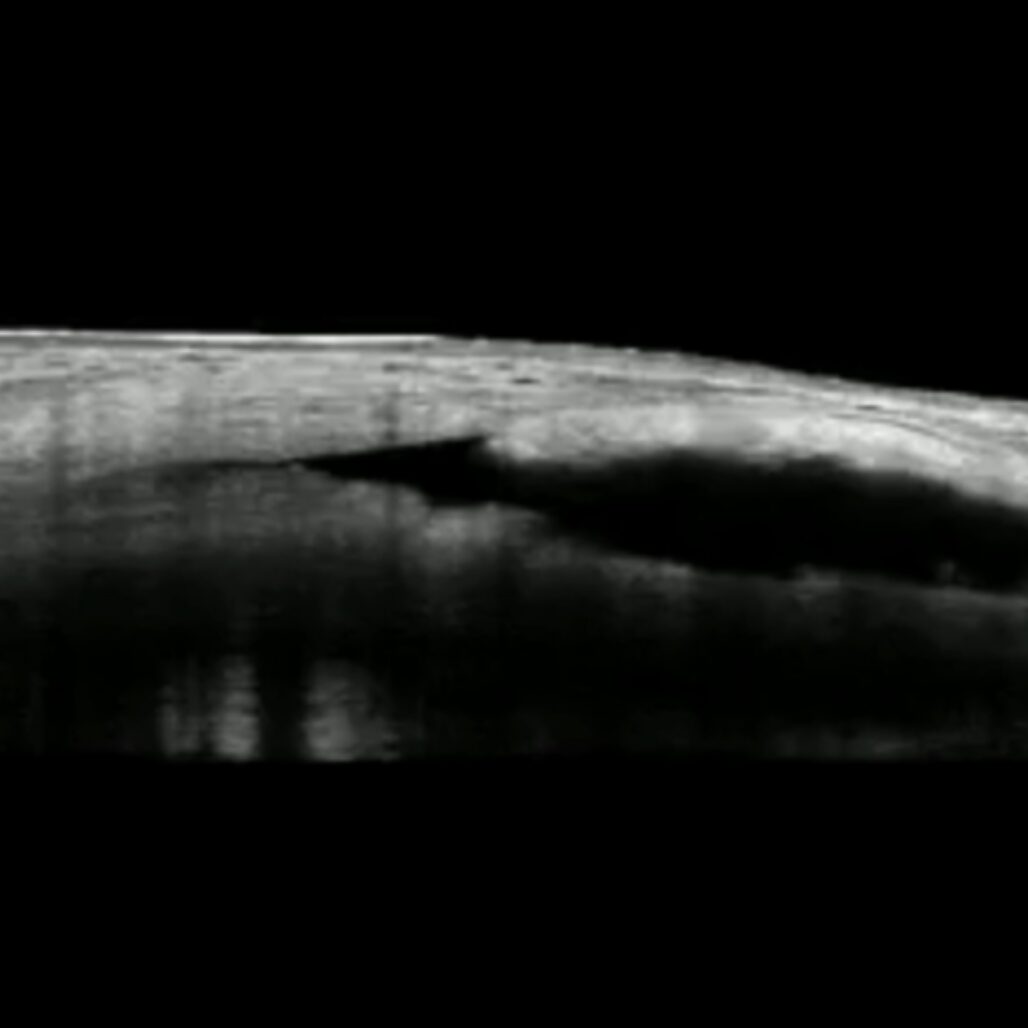
Glaucoma intrascleral tube surgery (GITS) explained
25th September, 2026
Read moreGlaucoma Awareness Week 2026 – what patients need to know
18th June, 2026
Glaucoma is a common eye condition that damages the optic nerve and can lead to permanent sight loss if not detected early.
It often develops slowly and without symptoms, which is why regular eye tests are essential.
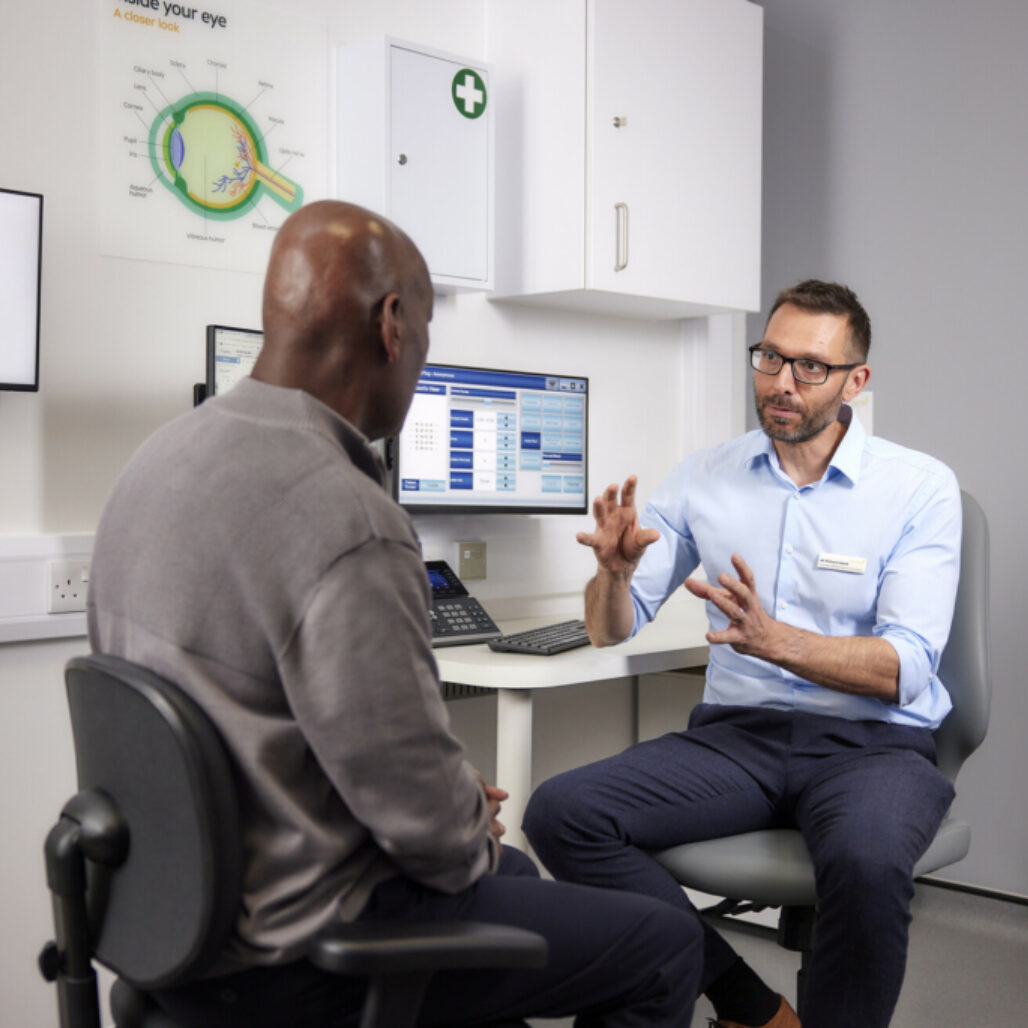
To mark Glaucoma Awareness Week 2026, Mr Richard Stead, Consultant Ophthalmologist at Newmedica Nottingham and Newmedica’s national clinical glaucoma lead, explains how to spot glaucoma early, understand your risk, and access treatment.
Glaucoma is a group of eye conditions that damage the optic nerve, usually due to pressure inside the eye (intraocular pressure).
If left untreated, this damage can lead to gradual and irreversible vision loss.
In most cases, glaucoma has no early symptoms.
It usually develops slowly over time and affects peripheral (side) vision first. This means many people are unaware they have it until the condition has progressed.
You should be aware of:
Gradual loss of side vision
Difficulty with navigation or bumping into objects
Trips or falls without obvious cause
Your brain compensates remarkably well for early visual field loss. It’s often only when people begin to struggle with navigation or bump into objects that the impact becomes obvious
Mr Richard Stead
In rarer cases, symptoms can develop suddenly and may include:
Severe eye pain
Blurred vision
Halos around lights
Headache or nausea
These symptoms are a medical emergency and require urgent assessment.
Glaucoma is known as the ‘silent thief of sight’ because vision loss happens gradually and without noticeable warning signs.
By the time symptoms appear:
Vision loss may already be significant
Lost sight cannot be restored
Treatment is focused on slowing or stopping further progression, which is why detecting the condition as early as possible is critical.
Mr Richard Stead
Early detection allows glaucoma to be:
Diagnosed before significant damage occurs
Monitored effectively over time
Treated at the most appropriate stage
This helps to:
Reduce the risk of avoidable sight loss
Protect long-term vision
Improve quality of life
Regular eye examinations are especially important if you:
Are over 40
Have a family history of glaucoma
Are from higher-risk ethnic groups
Have other eye conditions
Early diagnosis also gives patients time to:
Understand their condition
Be involved in treatment decisions
Plan care around their lifestyle
Glaucoma is usually detected during a routine eye test by an optometrist.
This may include:
Measuring pressure inside the eye
Examining the optic nerve – including OCT scans
Assessing visual field (side vision)
Local opticians are often the first place where a patient learns they may have glaucoma.
Mr Richard Stead
If glaucoma is suspected, you will usually be referred to a specialist for further assessment.
Patients have a legal right to choose where they receive their care, including:
NHS providers
Independent providers such as Newmedica
Great optometrists help patients understand why a referral is being made and what it means. This empowers patients to engage with their care and the options available to them, both NHS and private.
Mr Richard Stead
While there is currently no cure for glaucoma, treatment can slow or stop progression and help preserve your sight.
Treatment options may include:
Laser treatment
Eye drops to reduce eye pressure
Minimally invasive glaucoma surgery (MIGS)
Ongoing monitoring with specialist imaging
At Newmedica, treatment is tailored to:
The stage of the condition
Individual patient needs
Risk of progression
Starting treatment at the right time is key to protecting long-term vision.
Newmedica provides consultant-led glaucoma care across a network of clinics.
Patients benefit from:
Access to experienced glaucoma specialists
Advanced diagnostic technology
Personalised treatment plans
Care closer to home
Patients benefit from access to experienced glaucoma consultants who provide expert care, treatment and outcomes.
Mr Richard Stead
Glaucoma often has no early symptoms
Regular eye tests are essential
Early treatment helps preserve sight
Vision lost to glaucoma cannot be recovered
Can glaucoma be cured?
No. There is currently no cure, but treatment can slow or stop the progression of the condition.
How often should I have an eye test?
Most people should have an eye test every 2 years, or more often if advised by their optometrist. If there is a family history of glaucoma an annual test is advised over the age of 40.
Who is most at risk of glaucoma?
You may be at higher risk if you:
Are over 40
Have a family history of glaucoma
Are from certain ethnic backgrounds
Have other eye health conditions
What should I do if I’m worried about glaucoma?
Book an eye test with your local optician. Early detection is the best way to protect your sight.
Newmedica provides consultant-led ophthalmology services across the UK, specialising in glaucoma diagnosis, monitoring and treatment.