Private oculoplastic treatment
Considering private oculoplastic surgery? Here's everything you need to know before booking your appointment.
Considering private oculoplastic surgery? Here's everything you need to know before booking your appointment.
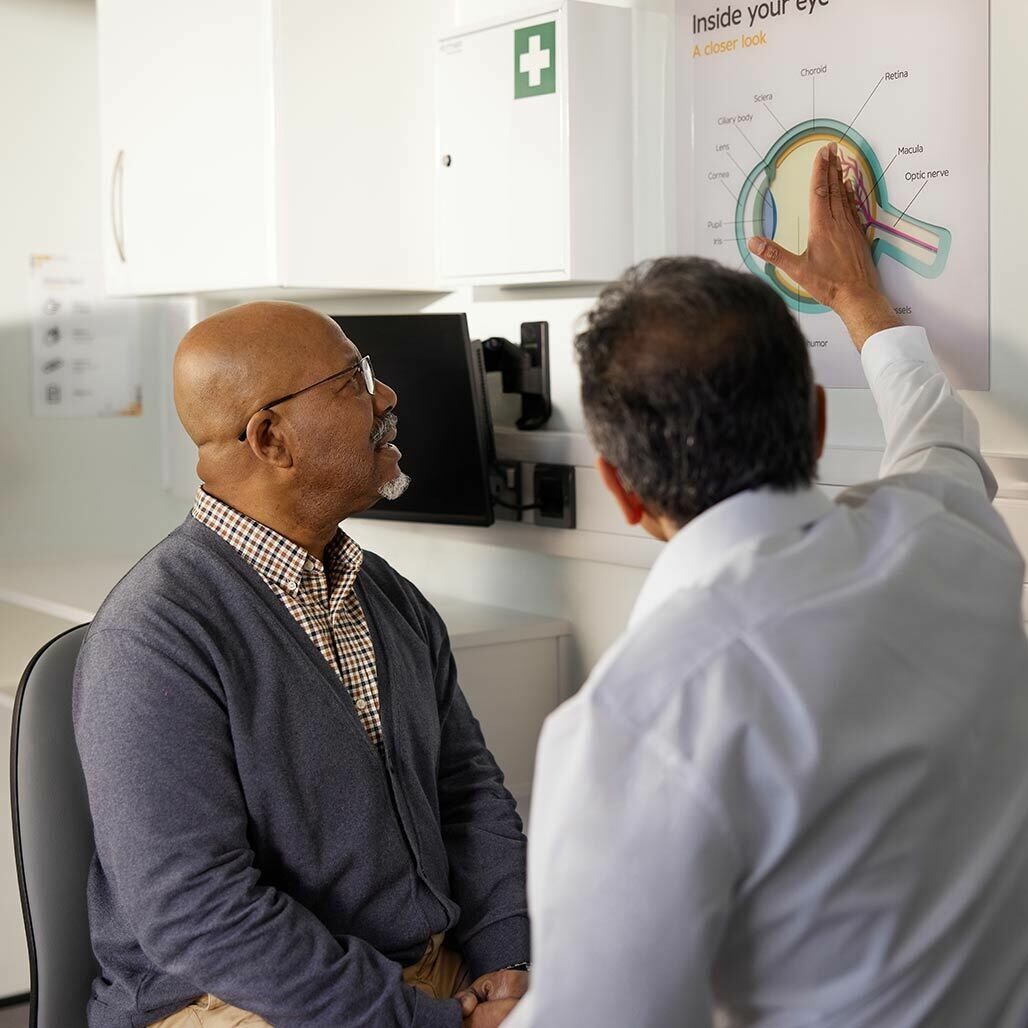
Oculoplastic surgery focuses on the areas connected to and around the eyes, such as the eyelids, tear ducts, and the orbit (the bony socket that holds your eye). There are many different types of private oculoplastic surgery.
When carried out privately, patients fund their own treatment, either out of pocket or through medical insurance. Choosing to go private means your treatment will be tailored to your individual needs. You’ll be able to choose which consultant will carry out the procedure for you, often benefit from shorter waiting times, and have more choice about when your surgery will be performed. Many people go private so they can access procedures that would not be covered under the NHS’s treatment criteria.
Going private means you can often access care a lot quicker. This is especially helpful for those whose condition is affecting their day-to-day life.
Choosing private oculoplastic surgery means you can choose your consultant, who will usually be there throughout your treatment from your initial consultation through to after-care appointments. Your consultant will create a personalised treatment plan based on specific needs, desired outcomes, and medical history.
Private oculoplastic surgery uses advanced surgical techniques and modern technology to provide personalised care, tailored to each individual’s needs. At Newmedica, our modern clinics provide a calm, comfortable space, and all have the latest facilities and equipment to give you the best possible experience.
There are several types of eyelid conditions that can cause discomfort, affect vision, and impact aesthetics.
Some common eyelid conditions include:
Ptosis (drooping eyelids): This occurs when the upper eyelid droops, and can be caused by excess upper lid skin (known as dermatochalasis) or weakening of the muscle that lifts the eyelid (known as ptosis). A drooping eyelid can sometimes obstruct vision.
Ectropion (outward-turning eyelid): This happens when the lower eyelid turns outward and away from the eye. It can affect one or both eyes and disrupts the drainage of tears, making the eye sore, gritty, watery or red, and more vulnerable to infections like conjunctivitis.
Entropion (inward-turning eyelid): An inward-turning eyelid occurs when the edge of the lower lid turns inwards. This makes the eyelashes touch or rub against the surface of the eye, causing irritation.
Eyelid reconstruction: This is when the function and appearance of the eyelids are restored after damage. This may be necessary following cancer removal, trauma, or other medical conditions affecting the eyelid.
A range of conditions can also show up as eyelid lumps and bumps. Symptoms can range from a red and painful infection in the eyelid, such as a stye, or a very slow development of a painless lump in or on the edge of the eyelid.
When the tear duct becomes blocked or narrowed, tears cannot drain properly. This can lead to symptoms such as watery eyes, pain around the tear duct, blurred vision, and eye discharge. In some cases, blocked tear ducts can also lead to infections (known as dacryocystitis), which can cause symptoms like pain, redness, and swelling.
This procedure is performed to remove excess skin or fat from the upper or lower eyelids. This can cause the eyelids to become hooded or even restrict the vision and comfort of the eyes. Surgery can rectify these issues.
Blocked tear ducts are commonly treated using a procedure called dacryocystorhinostomy. This creates a pathway between the eye's lacrimal sac and the nose, allowing tears to drain properly.
By addressing conditions around the eyes that affect or obstruct vision, such as drooping eyelids, people can see more clearly. Oculoplastic surgery can also reduce uncomfortable symptoms, such as irritability and watery eyes, enhancing their quality of life.
Private oculoplastic surgery involves putting together a treatment plan which is personalised to your needs and goals. People will often have the same consultant throughout their care, from consultation through to follow-up appointments, ensuring continuity of care. After private oculoplastic surgery, you’ll also be given personalised aftercare advice as part of your treatment plan to support your recovery.
Before undergoing surgery, you’ll attend an initial consultation where you’ll discuss your eye issue with your consultant and outline any goals you have. They’ll also take a look at your eyes, as well as your medical history, to help them put together a tailored treatment plan. They’ll discuss the expected outcomes and go over any possible risks. You’ll be given advice on how to prepare for your surgery as well.
The exact steps involved in your surgery depend on the procedure you have. You’ll have the opportunity to ask any questions before you have your surgery, and your consultant will explain what your procedure involves in detail so you know what to expect.
You’ll be given tailored aftercare advice, and it’s important to follow this. Follow-up appointments will also be arranged to monitor your recovery.
At Newmedica, we have a 24-hour aftercare helpline, and we will give you a follow-up call 24 hours after your surgery.
Within the first week after surgery, it’s normal to experience bruising and swelling, which typically peak 48-72 hours post-op. Over the next 2-3 weeks, bruising and swelling should improve, and early aesthetic improvements will become more noticeable. The final, settled results typically appear between 3-6 months once healing is complete.
It’s normal to experience temporary side effects after oculoplastic surgery, such as watery eyes, bruising, swelling, light sensitivity and mild irritation. These will usually subside within 2-3 weeks.
While oculoplastic surgery is generally safe, every surgical procedure carries risks. The potential risks depend on the procedure you have, and you’ll be told about these in more detail before you have your surgery.
The cost of private oculoplastic surgery can vary depending on several factors, including the specific procedure, its complexity, and the surgeon's experience. If you’d like to learn more about our pricing at Newmedica or have any questions about available treatments, please contact us.
At Newmedica, we’re committed to helping more people access high-quality private oculoplastic treatment by making it easily accessible and affordable. We provide expert specialist eye care in state-of-the-art facilities across England, with leading clinical outcomes. With us, you’ll receive tailored care and reassurance throughout your time with us. As a private patient, you’ll also benefit from shorter waiting times, along with more choice about when you’ll have your surgery. From your first appointment to your last, our expert team will be here to support you whenever you need it, so you can continue doing what you love.