Glaucoma intrascleral tube surgery (GITS) explained
25th September, 2026
Read more5th June, 2026
Patients with learning difficulties are more likely to develop cataracts at a younger age, yet they are significantly less likely to be referred for treatment or offered the same surgical options as the wider population.
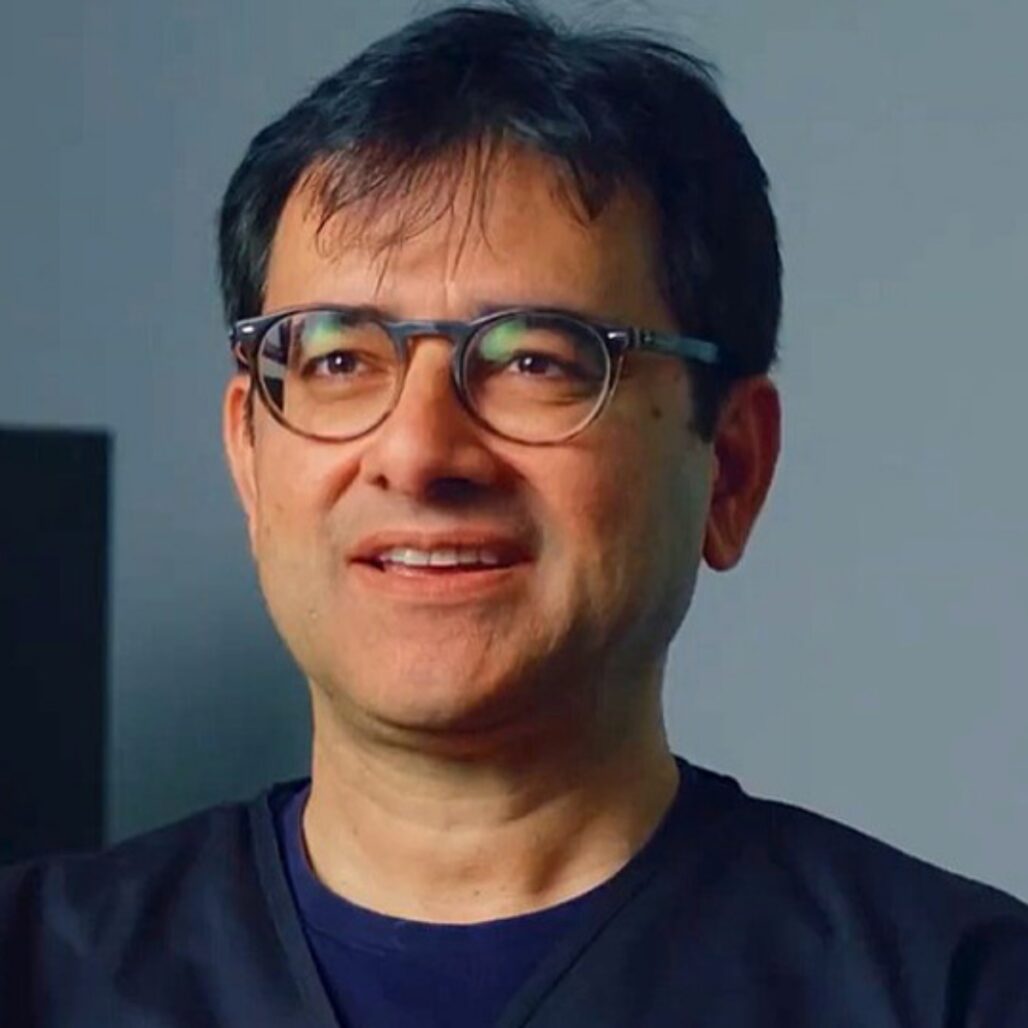
Consultant Ophthalmologist Mr Qasim Mansoor from Newmedica Middlesbrough believes this needs to change:
Cataracts do not simply blur vision. They affect confidence, independence and mental wellbeing, particularly for people who already face barriers in accessing healthcare.
The good news is that, with the right support, the option of local anaesthetic cataract surgery opens up to this group of patients – avoiding the additional risks of general anaesthesia.
Quick answers
Yes – many patients with learning difficulties can have cataract surgery under local anaesthetic
Preparation and communication are key to making this possible
General anaesthetic is not always necessary, and avoiding it can reduce risk and recovery time
Person-centred care and reasonable adjustments can significantly improve outcomes.
Cataract surgery is typically performed under local anaesthetic using numbing eye drops.
However, patients with learning difficulties are often told this approach is not suitable for them and are instead directed towards surgery under general anaesthetic.
Mr Mansoor challenges this assumption:
But with the right preparation, communication and support, the option of local anaesthetic cataract surgery opens up.
This highlights an important shift in practice – moving from a one-size-fits-all approach to a tailored, person-centred pathway.
Providing inclusive cataract care is not about changing the procedure itself, but about adapting the environment, communication and support around the patient.
Key adjustments can include:
Taking time to build trust and familiarity before surgery
Explaining each step of the process in a clear, accessible way
Understanding individual preferences, routines and triggers
Allowing comfort items or familiar people during treatment
Creating a calm, supportive environment in theatre
These are simple but powerful changes that can make surgery more accessible and less distressing.
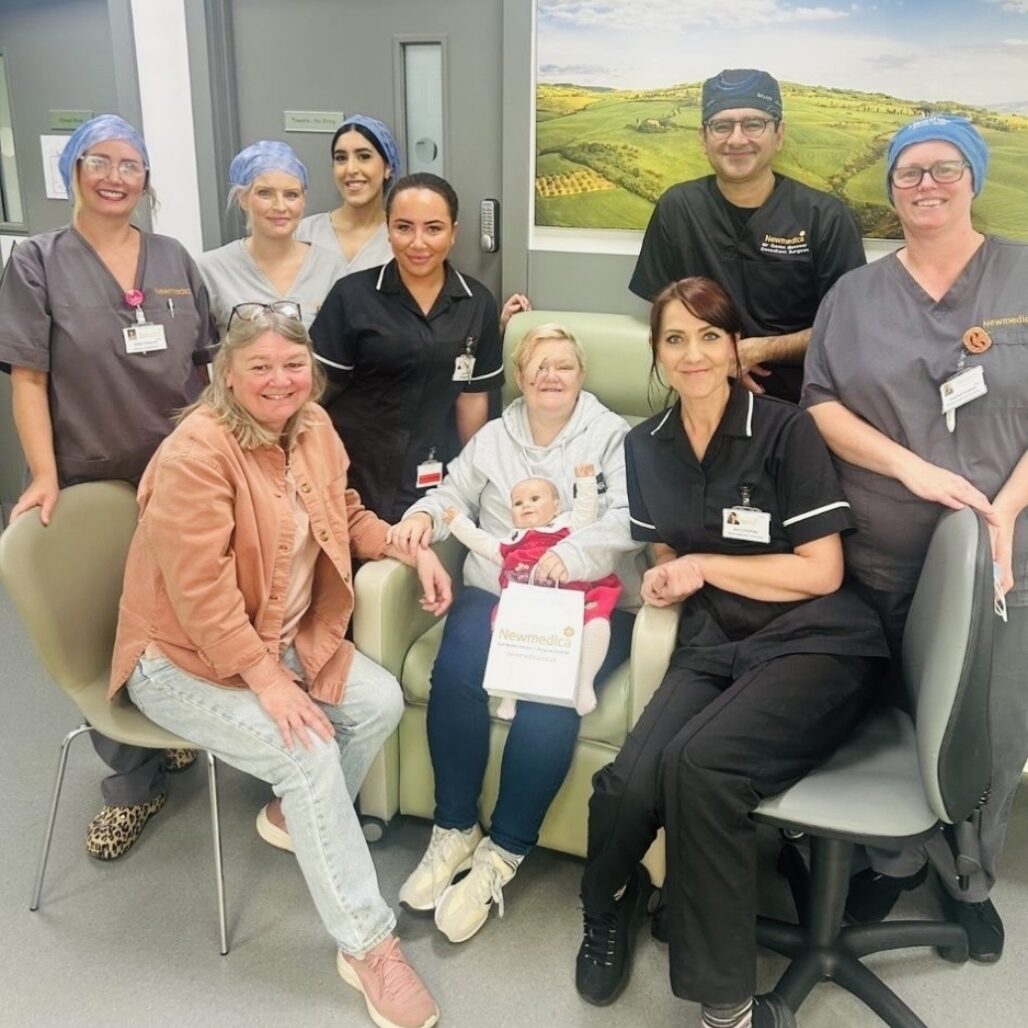
Claire Higgins, 55, lives with learning difficulties and complex health needs, including type 1 diabetes.
Her care at Newmedica was carefully planned around her individual needs.
Before surgery, the team prioritised building trust and preparing her for what to expect.
On the day of the procedure:
She was accompanied by a friend
She brought a comfort item
A team member stayed with her throughout
Her choice of music was played in theatre
These are small things on the surface, but they made all the difference
Mr Qasim Mansoor
Claire’s experience shows that practical, person-centred adjustments can transform outcomes.
General anaesthetic can be appropriate in some cases, but it carries higher risks, particularly for patients with additional health conditions, and usually involves a longer recovery period.
Claire’s case demonstrates that it is not always required.
With the right preparation and the right team around you, it simply does not have to be that way.
Mr Qasim Masoor
For many patients, avoiding general anaesthetic can mean:
Reduced clinical risk
Shorter recovery time
A more straightforward care experience.
For patients with learning difficulties, accessing cataract surgery can feel daunting – particularly when other health conditions or sensory sensitivities are involved.
Claire describes some of these challenges:
Having additional needs can make surgery like this extra complicated… It’s not just the anxiety of undergoing the surgery while awake. Other health conditions need to be accommodated, as well as things like managing eye drops and sensory overwhelm.
Claire Higgins
However, with the right support, these barriers can be overcome.
Inclusive, person-centred care is essential to reducing health inequalities.
Claire’s experience demonstrates that:
Patients with learning difficulties should not be excluded from standard surgical options
Small adjustments can have a significant impact on access and outcomes
Healthcare providers have an opportunity to challenge assumptions and improve pathways.
Newmedica hopes stories like Claire’s will encourage:
Patients and families to ask questions about their options
Carers and support networks to advocate for personalised care
Referring professionals to reconsider assumptions about suitability for surgery.
A learning difficulty should never be a reason to miss out on treatment that could genuinely change your life.
Mr Qasim Mansoor
Can people with learning disabilities have cataract surgery?
Yes. Many people with learning disabilities can safely undergo cataract surgery, including under local anaesthetic, when appropriate support and preparation are in place.
Is cataract surgery under local anaesthetic safe?
Yes. It is the standard approach for most patients and avoids the additional risks associated with general anaesthetic.
What adjustments may be needed?
Adjustments may include extra time, clear communication, familiar support, sensory considerations and personalised care planning.
Why are people with learning difficulties less likely to be referred?
Barriers can include assumptions about suitability for surgery, communication challenges and lack of awareness of what is possible with the right support.