The more families rely on grandparents, the more important their eye health becomes
8th October, 2026
Read more14th August, 2026
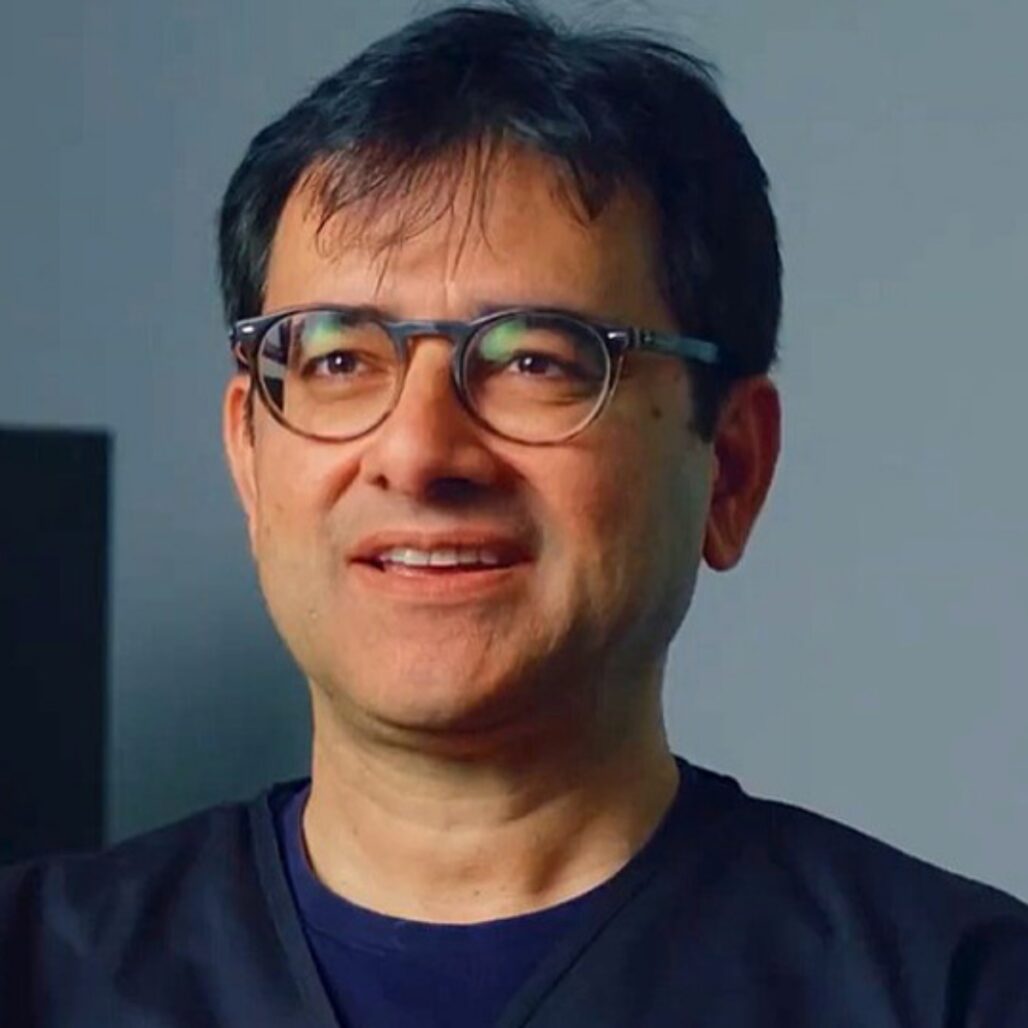
Advances in lens technology mean there may be different options available to patients having cataract surgery - depending on lifestyle, visual priorities and individual needs. Consultant ophthalmologist Qasim Mansoor discusses why patients should understand their options.
Understanding your cataract surgery options
In a recent article for Optometry Today, Qasim Mansoor, consultant ophthalmologist and specialist in cataract and refractive surgery, at Newmedica Middlesbrough and Newmedica Darlington, highlights the importance of helping patients understand their cataract surgery options.
His message is simple: patients should have access to clear information about their options and understand how their lifestyle and visual needs may influence discussions about treatment.
When people think about cataracts, they may focus on vision or the surgery itself. However, your daily activities can be equally important when discussing treatment.
Many patients today lead very active lives well into their 70s and 80s. They may be working on computers, reading extensively, playing golf, sailing, or enjoying outdoor activities.’
Mr Mansoor
Understanding these activities helps ensure conversations are centred on your needs, expectations and lifestyle – and what your priorities for cataract surgery are.
Advances in intraocular lens technology mean that there may be different options available for suitable patients. One example is extended depth of focus (EDOF) lens technology.
Every patient wants to understand their options. If I have a cataract and I'm struggling with my vision, I want to know what's available to me – both NHS and private options
Mr Mansoor
Mr Mansoor adds that the optometrist in the local opticians is often the first point of contact for patients with suspected cataracts. And it is where skilled optometrists have a central role supporting great patient conversations. It helps ensure patients can make informed decisions before being referred on to ophthalmology providers such as Newmedica which provides both NHS and private services.
When we receive referrals from community optometrists that clearly outline lifestyle needs, visual expectations, ocular surface status and any co-existing or progressive eye disease, these steps make it easier to identify patient needs and tailor lens options to them.’
Mr Mansoor
Every service is led by consultant ophthalmologists with an ownership stake. It means that responsibility for clinical standards and outcomes sits with those delivering care.
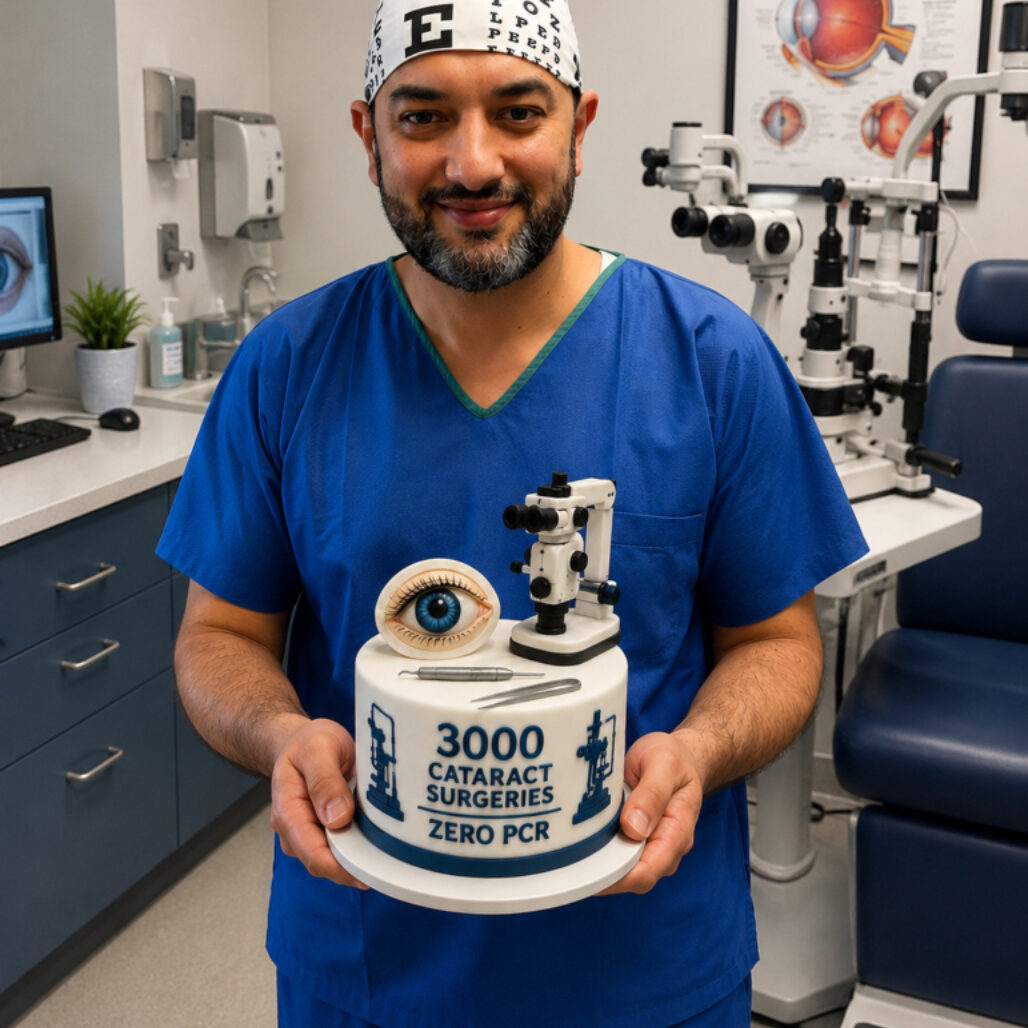
As well as personalised care, patient outcomes reflect that focus. Posterior capsule rupture rates at Newmedica are 0.3%, compared with a national average of 1.1% – a clear indicator of surgical consistency and risk.
8th October, 2026
Read more