They all spoke to me calmly and explained what would be happening. They were amazing.
Sarah’s story
This page has been reviewed by Mr James Young, MB ChB, Consultant Ophthalmologist - Oculoplastics & Cataract Surgeon on January 28th, 2026.
Oculoplastic surgery involves surgery on the areas connected to and around the eyes, such as the tear ducts, eyelids, and the orbit (the bony socket that holds your eye). There are several different kinds of oculoplastic surgery, some performed for cosmetic purposes and others for medical reasons.

There are several types of eyelid conditions, but here are some common ones and how they’re treated:
Eyelid bumps and lumps: A range of conditions can show up as eyelid bumps and lumps. Symptoms can range from a red and painful infection in the eyelid (such as a stye) to a very slow-growing, painless lump in or on the edge of the eyelid. Most eyelid bumps resolve on their own and are harmless. However, if they’re bothering you, a small procedure can be performed under local anaesthetic to remove them.
Drooping eyelids: Drooping eyelids can be caused by either weakening of the muscle that lifts the eyelid (ptosis) or excess upper lid skin (dermatochalasis). Ptosis usually involves surgery to tighten the muscle/tendon that lifts the upper eyelid. Dermatochalasis is treated with blepharoplasty surgery, in which excess skin is removed and the upper lid is stitched to help reduce the hooded appearance.
Inward-turning eyelid: Also known as entropion, this occurs when the edge of the lower lid turns inwards, causing the eyelashes to touch or rub the eye’s surface and leading to irritation. This can cause watery and red eyes and sometimes blurry vision. Certain measures can help temporarily, such as ointments and eye drops, but surgery is often performed to tighten or reposition the eyelid.
Outward-turning eyelid: Also known as ectropion, this can affect one or both eyes and occurs when the lower eyelid turns outward and away from the eye. This disrupts tear drainage, which can make the eye watery, red, or gritty, and more vulnerable to infections like conjunctivitis. Mild cases may not require treatment, but your optometrist might suggest using eye drops and eye ointment to relieve symptoms. If surgery is needed, this involves tightening the eyelid.
When the tear duct is blocked or narrowed, tears cannot drain properly, leading to symptoms such as watery eyes, blurred vision, pain around the tear duct, and discharge from the eye. There are different ways to treat a blocked tear duct, and the one used depends on factors such as the cause and the patient’s age.
Blepharoplasty is performed to remove excess fat or skin from the eyelid. This is usually done as a cosmetic procedure to improve the appearance of droopy or hooded eyelids or bags under the eyes. In some cases, the surgery is carried out for medical reasons to restore eyesight and reduce discomfort, such as when a droopy eyelid is affecting vision.
Vision improvements can be made by correcting problems such as blocked tear ducts and drooping eyelids that obstruct someone’s view.
Living with uncomfortable symptoms such as watery eyes and blurred vision can affect quality of life and emotional well-being. Getting oculoplastic treatment and reducing these symptoms allows people to feel more comfortable.
Aesthetic improvements, such as removing eyelid bumps and improving the appearance of droopy eyelids, can help people feel more confident and less self-conscious about their looks.
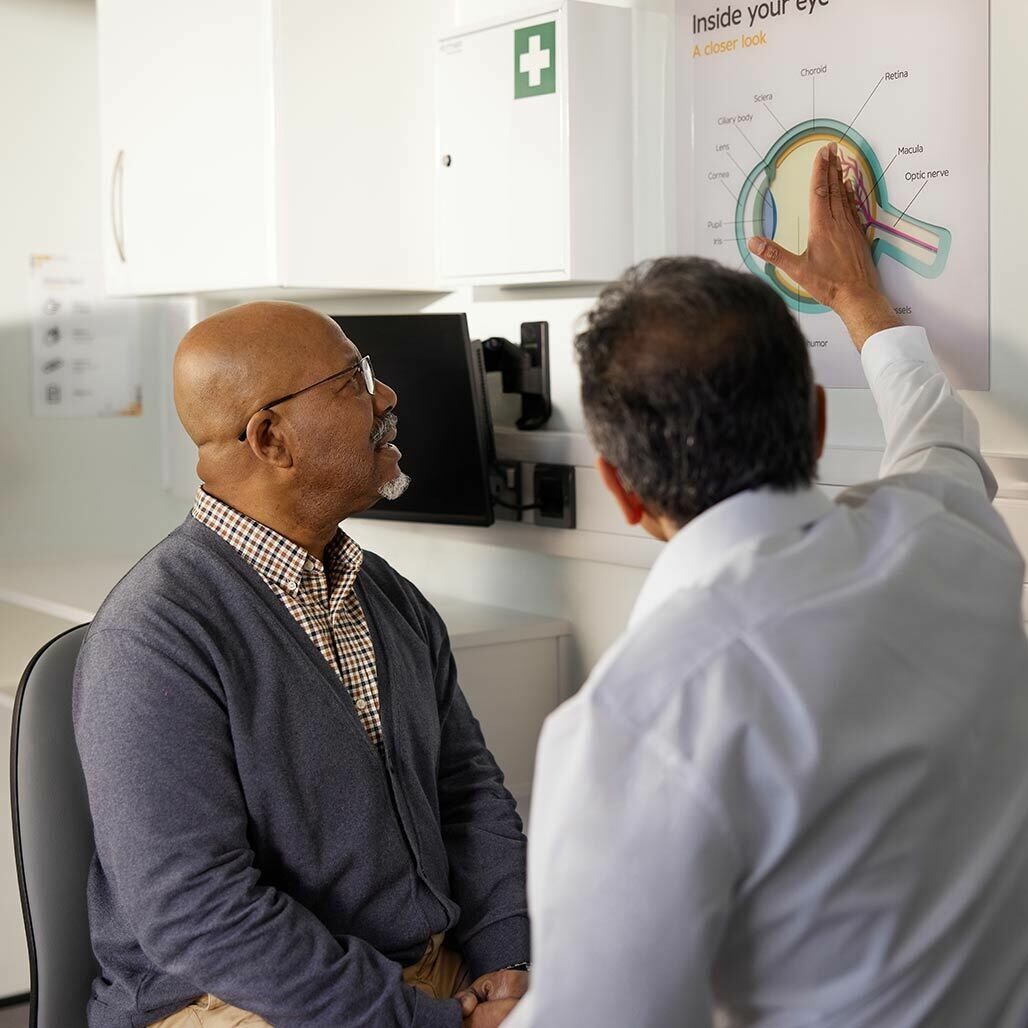
Before your surgery, you’ll attend an initial consultation. During your consultation, you’ll discuss your eye problem, outline any goals you have, and explore lifestyle-focused treatment options with our expert consultants. They’ll also look at your medical history and examine your eyes to help them decide on the best treatment option for you. They’ll explain the chosen procedure in more detail and go over any possible risks. You’ll also have the chance to ask any questions you have in mind.
The consultant will give you advice on how to prepare for your surgery, and it’s important to follow this. This may include stopping certain medications, particularly non-steroidal anti-inflammatory drugs and medications that thin your blood. The exact steps involved in your surgery depend on the type of surgery you have.
You’ll be given aftercare advice, and it’s important to follow this. Avoid strenuous activity, and rest as much as you can during recovery. 24 hours after your surgery, we’ll call you to check in. We also have a 24-hour aftercare helpline.
Straight after surgery, your vision may be temporarily blurry, but this should subside within 24 hours. During the first week after surgery, it’s normal to experience side effects such as watery eyes, light sensitivity and mild irritation. After 2-3 weeks, many patients find their symptoms have reduced and that they feel more comfortable.
It’s normal to experience temporary side effects after your surgery, such as watery eyes, light sensitivity, swelling, bruising, and mild irritation. Oculoplastic surgery is generally safe, but every surgical procedure carries risks. Possible risks depend on the procedure, but could include bleeding, asymmetry, infection, and side effects from the anaesthesia. You’ll be told about this in more detail before you undergo your oculoplastic treatment.
Many oculoplastic surgeries are available on the NHS (although they aren’t available solely for cosmetic purposes). If you opt to receive your NHS treatment at Newmedica, all your costs with us will be fully covered, with no additional cost to you.
If you choose to go private, each surgery is different and tailored to your specific needs. You’ll have more choice about when your surgery will be performed and which consultant will carry out the procedure for you. If you’d like to learn more about our pricing or have any questions about available treatments, please get in contact with us.
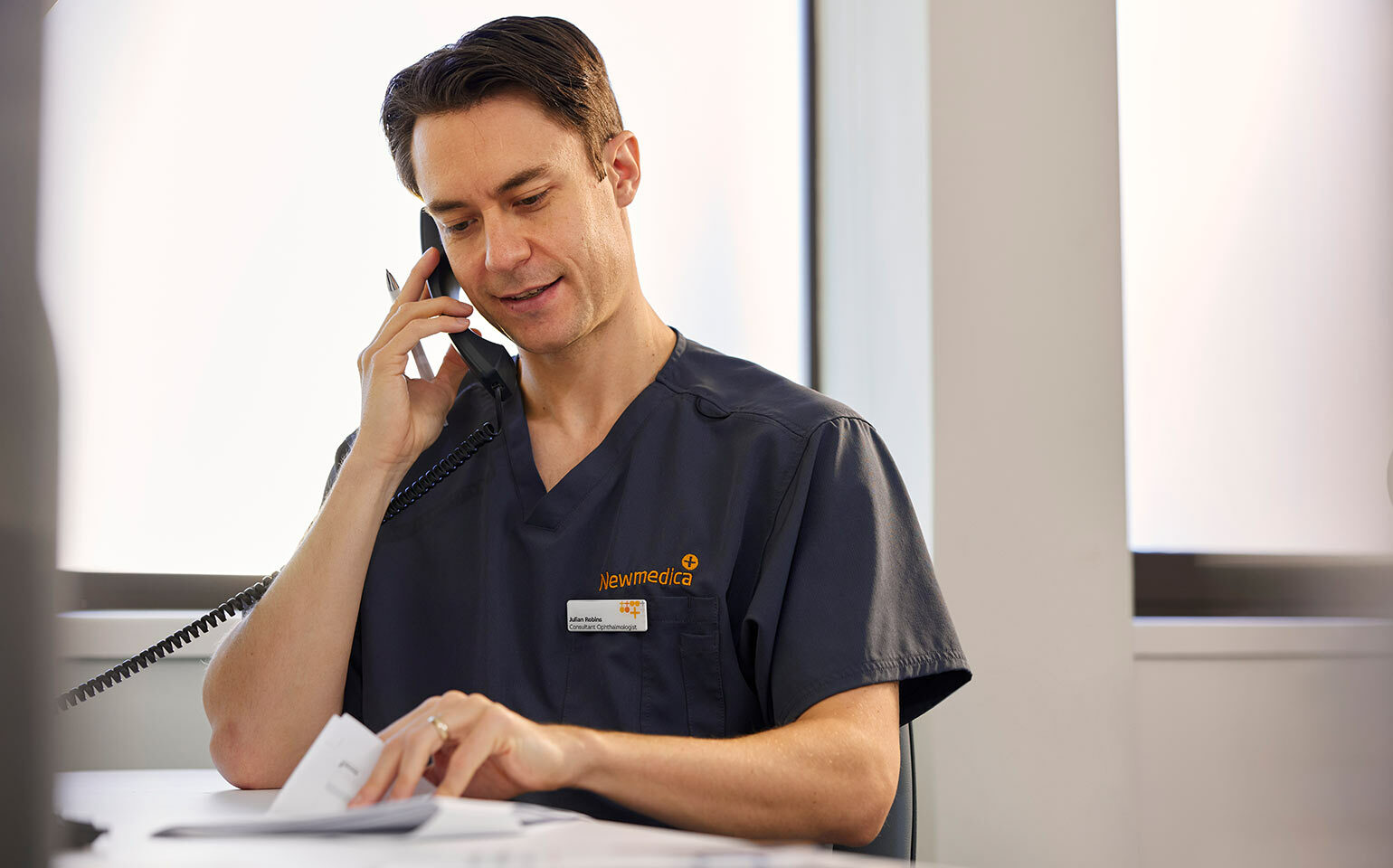

At Newmedica, we offer a range of high-quality oculoplastic procedures, such as treatment for dry eye and watery eye, blepharoplasty, and ptosis repair. Our modern eye clinics provide a calm, comfortable atmosphere, all equipped with the latest facilities and equipment, to give you the best possible experience. Our delivery of care is consistently high because our consultants have specialist expertise and experience in their specific area of surgical care. With Newmedica, you’ll receive reassurance and personalised care every step of your journey.
Park House, Woodland Park, Bradford Road, Cleckheaton, West Yorkshire, BD19 6BW
Building 720, Waterside Drive, Aztec West, Almondsbury, Bristol, BS32 4UD
Litfield House Medical Centre, 1 Litfield Place, Clifton Down, Bristol, BS8 3LS
BHI Parkside, Stourbridge Road, Bromsgrove, Worcestershire, B61 0AE
Newmedica, Clarity House, Kempson Way, Bury St Edmunds, IP32 7AR
Unit 2, Anchorage Ave., Shrewsbury Bus. Park, Shrewsbury, SY2 6FG
3 Falcon Gate, Shire Park, Welwyn Garden City, Hertfordshire, AL7 1TW


I can’t fault the service at Newmedica. It was amazing. Everyone was so helpful, the surgery was so quick and efficient.
Joan’s story
Read story

‘I love cooking, and now I can actually see what I’m doing in the kitchen again. Suddenly I’m able to cook my older recipes with the family.
Karen’s story
Read story
I had a first-class experience and can’t praise the team enough. I have worn glasses for a long time but my sight is so clear and sharp.
Allen’s story
Read story